
Use the named programme and format
SNRT’s Laâyoune page names cultural formats including Layali Lafrig, Konoz Mina Sahra and Amnir alongside news and discussion. Preserve the original title rather than substituting a general Sahara documentary label. A heritage magazine, landscape documentary and political discussion are different viewing choices.
Someone seeking a performance or interview should retain the participant, edition and date. A short report may use the same location or cultural subject without being a complete copy of the programme another viewer remembers. The title and format help identify the actual work before diagnosing a missing recording.
Keep institutional wording attributed
SNRT’s descriptions use its own regional and political framing. RASD TV’s self-described account uses different institutional language. Treat those as publisher statements rather than silently adopting either source’s wording as neutral geographic fact. A shared territory reference does not establish a shared channel, account or production organisation.
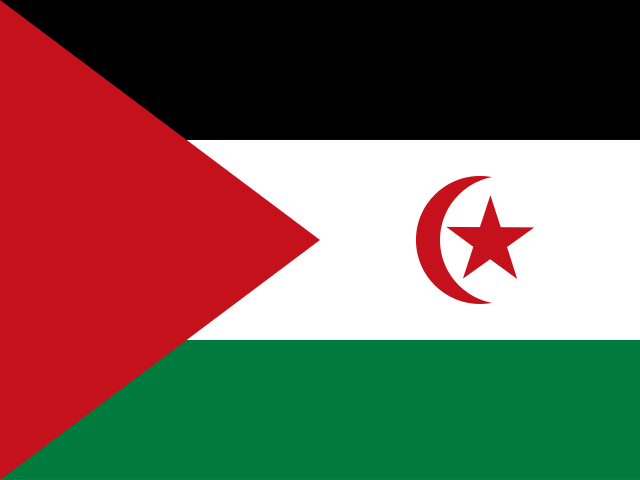
This matters when saving a recording for comparison. Keep the publisher beside the title and distinguish a quoted speaker’s statement from the programme maker’s narration. A familiar flag or copied channel logo cannot independently verify the claims made inside a report or authenticate a separate upload.
Check present access separately from archive identity
SNRT has a separately identified Laâyoune live destination, while the RASD TV source retrieved here is an older self-described channel reference. Neither source check demonstrates current playback on a particular device. A historic live-style title can remain attached to an archive after the original event.
For a programme request, retain the source address, full title, language, event date and desired format. Verify current access through the actual publisher rather than an unrelated repost. This guide does not certify reporting accuracy, worldwide rights or IPTV Australia carriage; it provides a provenance-focused viewing approach without inventing one unified television market.
Questions about this guide
Do two programmes about Western Sahara necessarily share one publisher?
No. Keep the actual broadcaster, source account and programme identity.
Does an old live-style title prove the recording is live now?
No. Check the event date and current publisher destination.